ROG Gladius III Wireless AimPoint
SnapshotProduct Images
Asus ROG Gladius III Wireless AimPoint Gaming mouse Review, Ratings, and Specifications
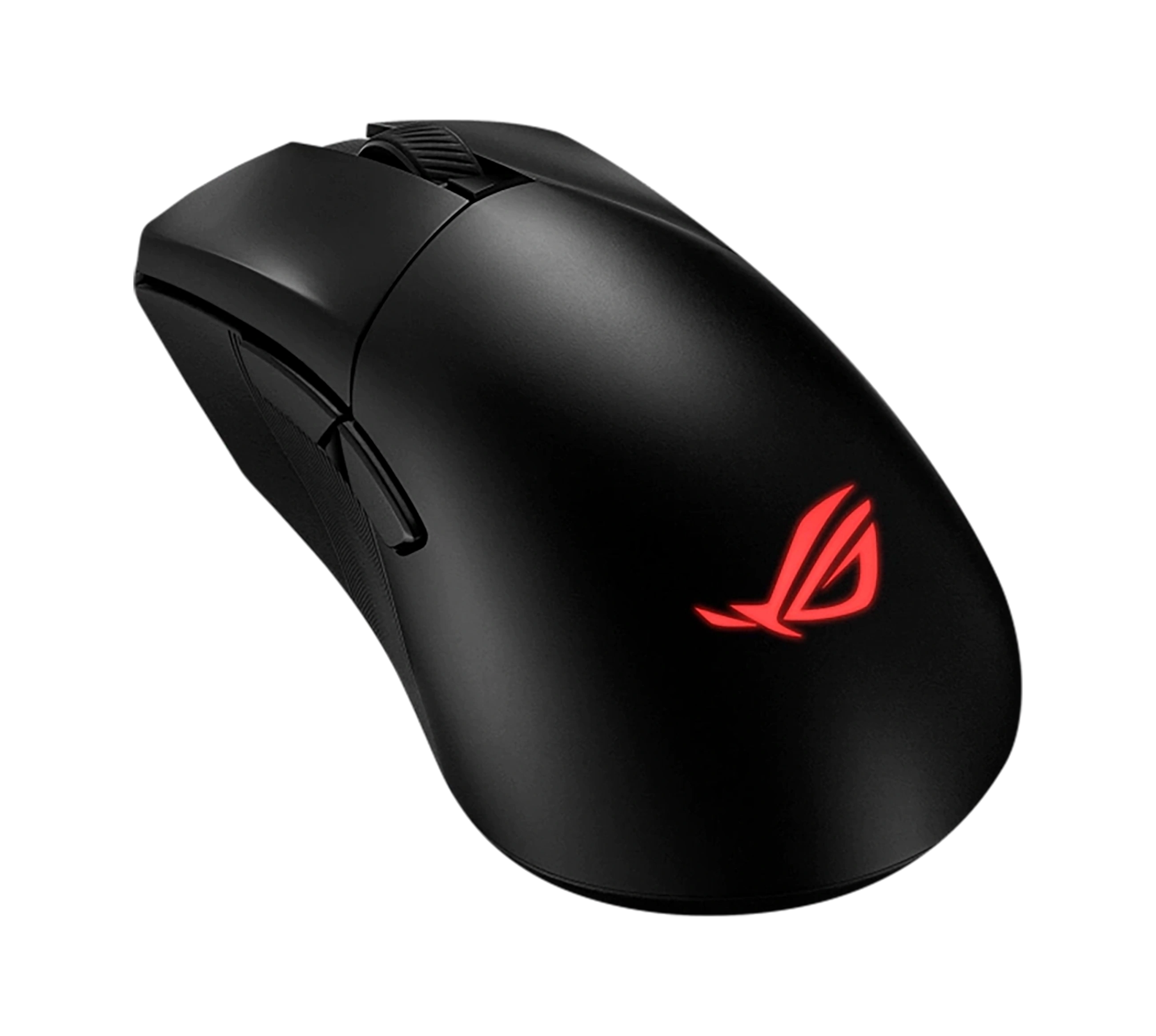
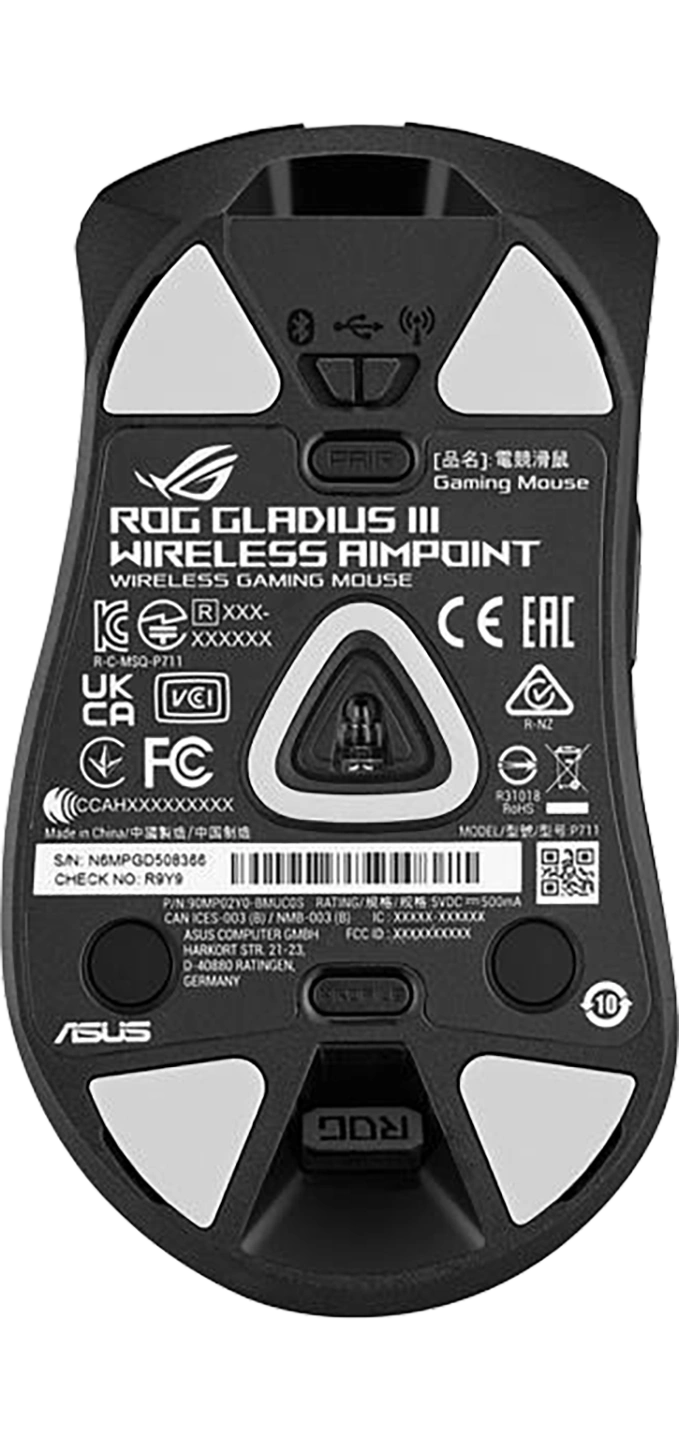
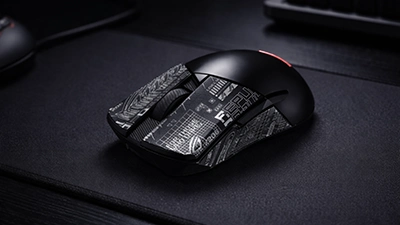
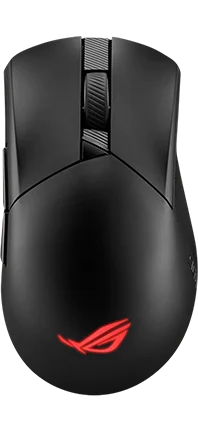
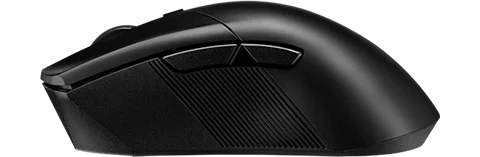
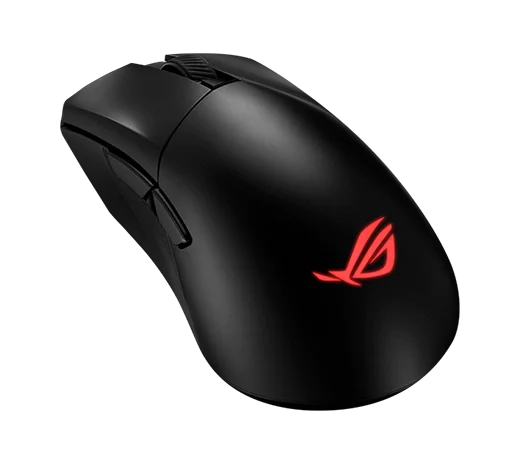
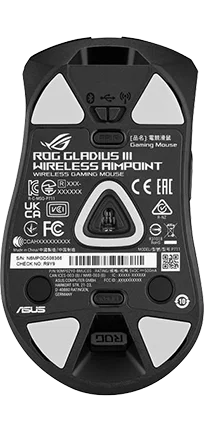
Browse Asus ROG Gladius III Wireless AimPoint product images. Use the arrow buttons to change images, or select a thumbnail.



Comparisons
Best Deals
Pros & Cons
Pros
- Push-Fit Switch Socket II allows quick, solder-free switch replacement
- Exceptional battery life (119–143 hours) beats most competitors
- Tri-mode connectivity adds real hybrid convenience
- AimPoint 36K sensor delivers flawless tracking and low CPI deviation
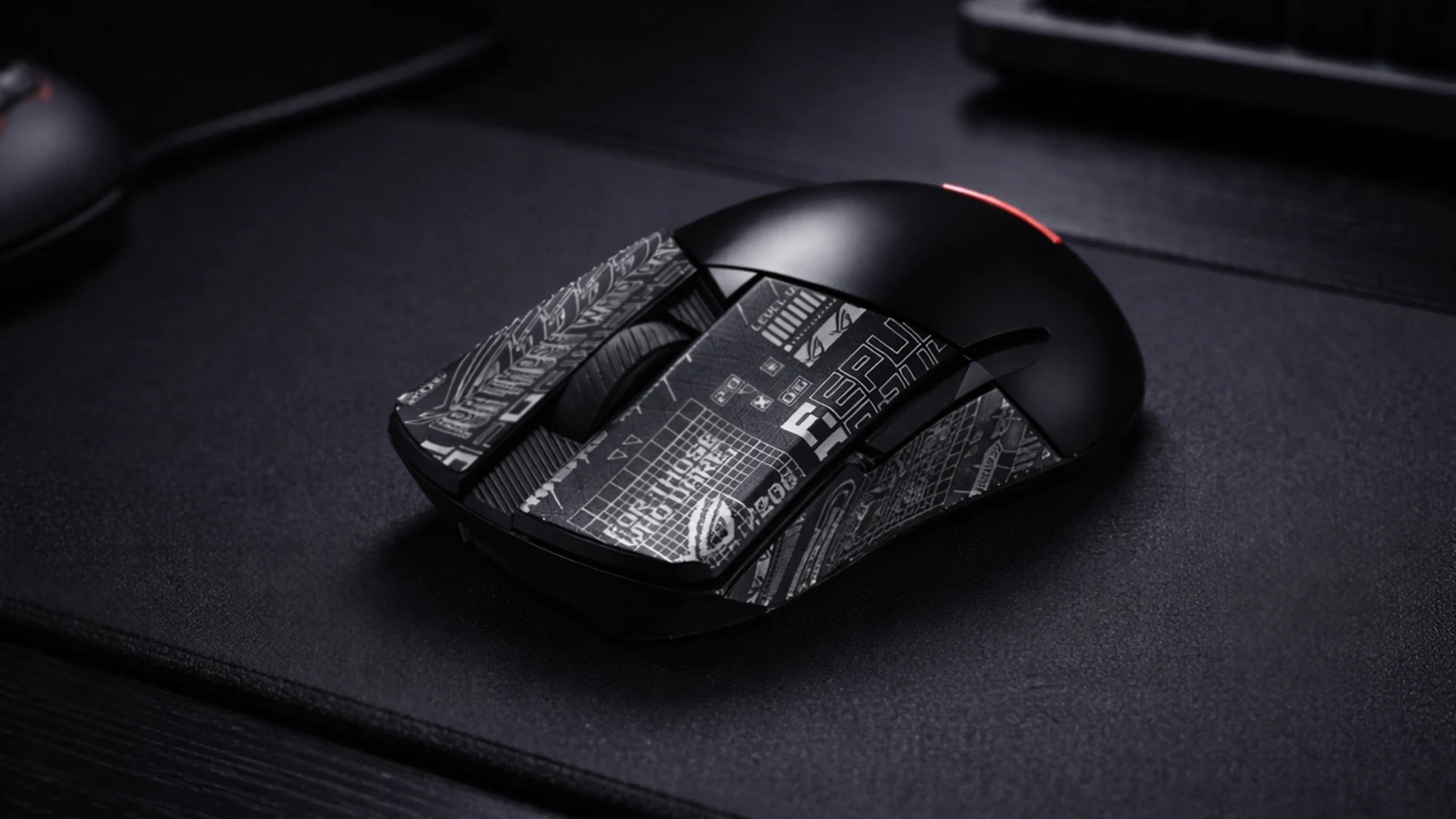
- Palm-friendly shape with included grip tape and 100% PTFE feet
Cons
- 79 g is heavier than today’s sub-60 g esports mice
- Scroll-wheel encoder prone to “jumping” over time
- Armoury Crate software is bloated and slow
- Capped at 1,000 Hz; no 4K/8K polling support
What We Think
The ASUS ROG Gladius III Wireless AimPoint (Model 90MP02Y0-BMAA01) is a right-handed ergonomic wireless gaming mouse that doesn’t chase the ultralight trend. Instead of aiming for 50-gram shells and 8K polling ecosystems, it focuses on what keeps a mouse enjoyable for years: comfort, modularity, and long battery life.
Lineup context
Launched as the AimPoint refresh of the Gladius III Wireless, this version trims weight versus the older wireless model while adopting the ROG AimPoint sensor (a custom-tuned, PAW3395-tier platform). It stays capped at 1,000 Hz polling, but ASUS leans into “daily driver” value with SpeedNova wireless efficiency and Push-Fit Switch Socket II maintainability.
A mouse built for years, not months — with switch modularity that makes it far easier to keep feeling “new.”
What it feels like in real use
At 79 g, it sits in the “middleweight” class—heavier than esports-focused shells but lighter than many older ergonomic designs. That added mass creates a planted, controlled feel that suits tracking-heavy shooters like Apex Legends or Overwatch 2, plus longer MOBA/RTS sessions where comfort and steady control matter more than constant lift-and-recenter play.
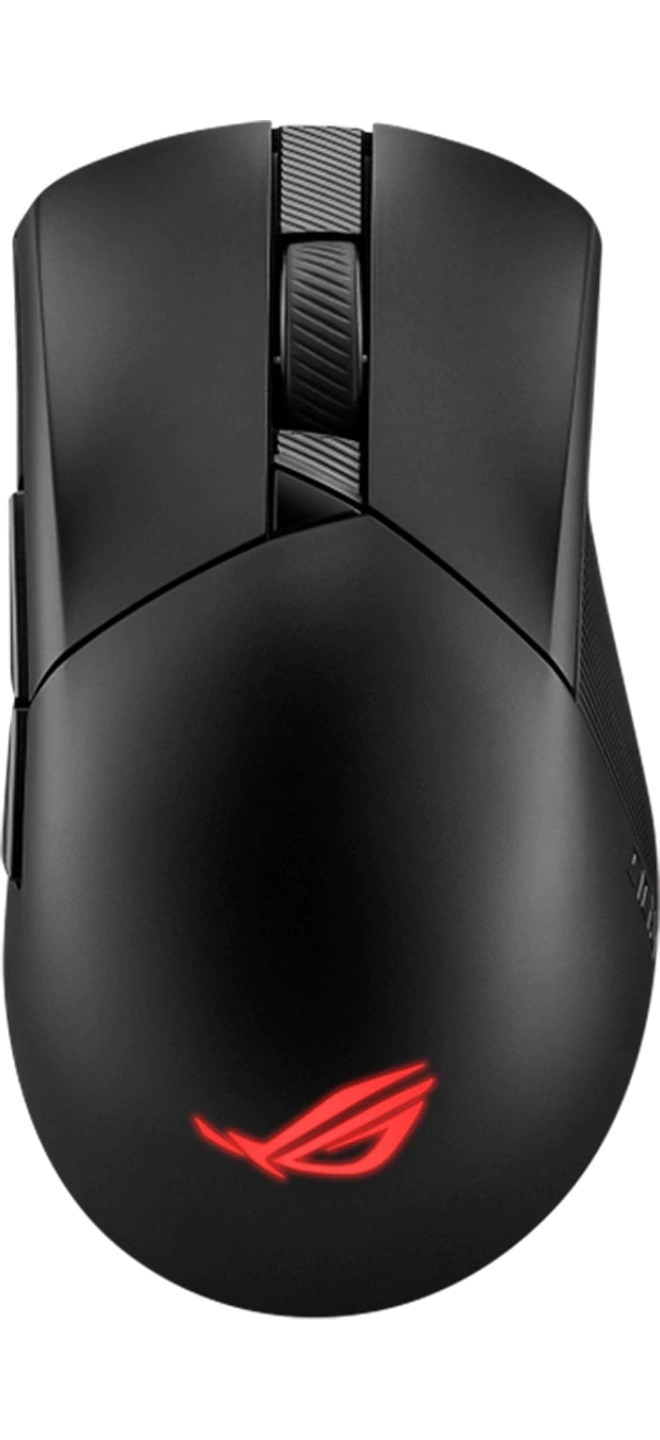
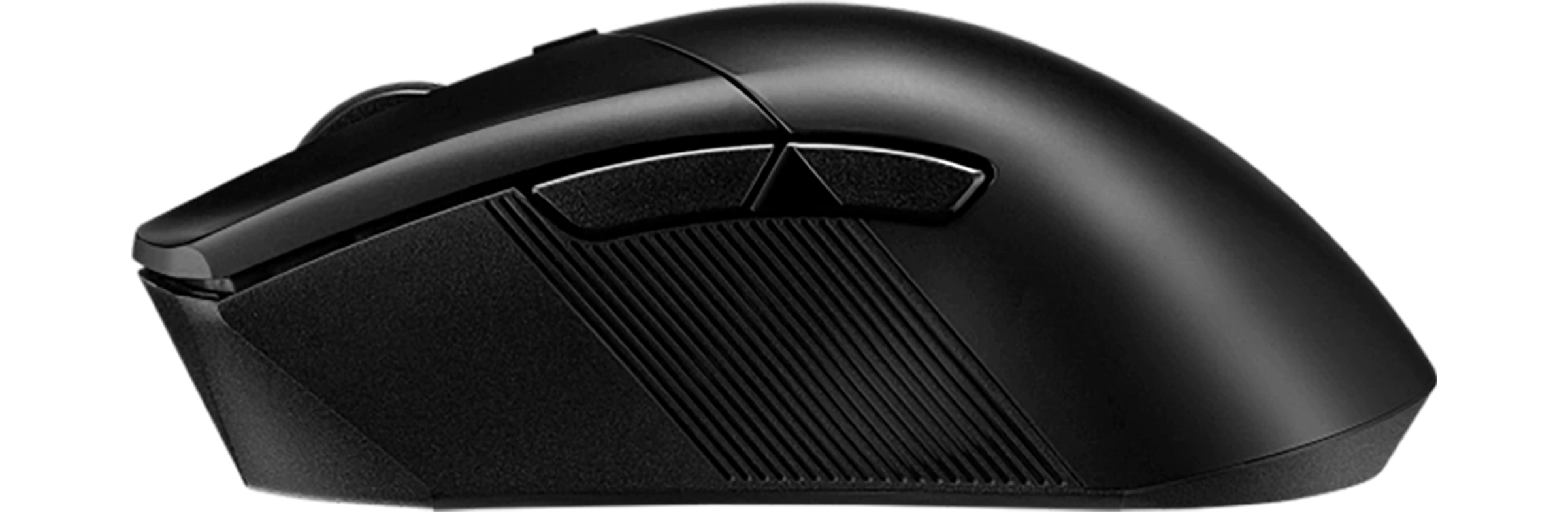
The tall ~44 mm hump fills the palm comfortably for palm and relaxed claw, and the 100% PTFE feet keep glide smooth and predictable—less “floaty,” more “stable precision.”
| Aspect | What You’ll Notice Day-to-Day |
|---|---|
| Weight (79 g) | Feels planted; better for steadier tracking and longer sessions |
| Push-Fit sockets | Replace or tune click feel in minutes—no soldering required |
| Tri-mode wireless | Swap easily between gaming PC, laptop, and tablet |
| Battery life | Up to 119 hours on 2.4 GHz; 143 on Bluetooth with RGB off |
Performance and modular engineering
The ROG AimPoint sensor is rated up to 36,000 DPI / 650 IPS / 50 g, and in real play it feels consistent and trustworthy—exactly what you want when you’re building muscle memory for small corrections and long tracking arcs. Unless you’re chasing the absolute latest latency/polling bragging rights, the core performance is more than strong enough for competitive queues.
The star of the mouse is still Push-Fit Switch Socket II—compatible with both 3-pin mechanical and 5-pin optical switches. If you’re the kind of player who notices click feel (or just hates throwing away a mouse when switches age), this system is a genuine quality-of-life advantage. It also gives the Gladius a maintainability edge over rivals like the Razer DeathAdder V3 Pro or a lighter ergo alternative such as the Pulsar Xlite v3 Medium.
Wireless flexibility is equally practical. SpeedNova 2.4 GHz feels steady and responsive, Bluetooth is handy for travel/laptops, and USB-C wired mode keeps it simple. For hybrid work-and-play setups, that versatility often matters more than 4K/8K polling.
Tradeoffs and reliability notes
- Weight: If you’re coming from a sub-60 g mouse, you’ll feel the heft—especially if you lift often at low sensitivity.
- Polling cap: It’s locked at 1,000 Hz and isn’t compatible with ASUS’s high-polling booster ecosystem.
- Scroll wheel: The most repeated long-term concern in community reports is encoder wear that can cause “jumping” or inconsistent scroll steps. The main switches are easy to swap; the wheel isn’t as simple.
Who it suits best
- Players who mix genres—FPS + MOBA + RTS—and want one reliable mouse.
- Users who prioritize comfort, battery life, and repairability over raw spec flexing.
- Anyone who likes a “buy once, maintain forever” approach instead of disposable peripherals.
Key Takeaways
- Excellent ergonomics for palm and relaxed claw grips.
- Modular switch system extends lifespan and click customization.
- Outstanding battery life and tri-mode convenience.
- Middleweight control—steady instead of twitchy.
- Scroll-wheel longevity is the biggest “watch this” risk.
Bottom line: If you want a wireless gaming mouse that’s built to last, the Gladius III Wireless AimPoint is still a smart pick in its price lane. It’s heavier and less esports-pure than the Razer DeathAdder V3 Pro, but for many players its comfort, modularity, and battery life make it the more practical long-term flagship.
For those chasing the lightest possible FPS toolset, check our best sub-60 g wireless mice. For everyone else, it’s a strong all-rounder—especially if switch hot-swap and battery life are high on your list.
Performance Breakdown ?
Build
SensorWhat is a Sensor? A sensor in a gaming mouse is the component responsible for detecting movement and translating it into cursor movement on your screen. Different sensors like PMW, PAW, Hero, and others vary in technology and performance metrics.Distribution:
Each bar shows how many products received that score; the highlighted bar is this item’s score.01/2012 05/2025Why Does It Matter? The type of sensor directly affects the tracking accuracy, speed, responsiveness, and sometimes power efficiency of a mouse. High-quality sensors can provide a competitive edge by ensuring precise cursor control, which is crucial in gaming for accuracy in aiming or quick movements.Common Sensors:PMW (PixArt Maximum Performance Wireless): Known for high performance in wired setups, offering excellent tracking precision and speed.PAW (PixArt Adaptive Wireless): Focused on power efficiency, ideal for wireless mice, with good tracking capabilities and speed.Hero (Logitech): Renowned for its power efficiency and high accuracy, suitable for both wired and wireless applications.TrueMove Pro (SteelSeries): Provides advanced stabilization for precise tracking on various surfaces.Focus Pro (Razer): Designed for professional gaming with top-tier performance metrics.Owl-Eye (ROCCAT): Custom sensor with features tailored for gaming precision.Choosing the Right Sensor: When selecting a mouse, consider the sensor based on your gaming needs. If you're into competitive gaming, look for sensors with high DPI, IPS, and low latency like PMW or Focus Pro. For longevity in wireless setups, sensors like PAW or Hero are preferable due to their power efficiency. Also, consider your preference for wired vs. wireless, as some sensors are optimized for specific use cases.
Distribution:
ROG AimPoint (PixArt PAW3395)
WeightWhat is Weight? Weight refers to the mass of a gaming mouse, measured in grams, affecting its feel and maneuverability.Distribution:
Each bar shows how many products received that score; the highlighted bar is this item’s score.147 36Why Does It Matter? Lighter mice enable faster movements, ideal for competitive gaming, while heavier mice offer stability, suiting precise or controlled playstyles.
Distribution:
79 g
SkatesMouse Feet Material (Skates): These pads under your mouse significantly influence glide, performance, and durability.Distribution:
Each bar shows how many products received that score; the highlighted bar is this item’s score.PTFE (Colored/Mixed): Moderate friction coefficient - Balances speed with a touch of added control, often seen in stock mouse setups for its versatility. The addition of dyes or other materials might slightly increase friction compared to virgin-grade, but it also enhances durability and offers color options for personalization.PTFE (Virgin-Grade): Very low friction coefficient - Pure PTFE provides minimal resistance, allowing for a seamless glide across your mousepad. This material is favored for its purity, which results in less wear over time, maintaining its glide properties longer than colored PTFE.Glass Skates (Glossy Aluminosilicate): Lowest friction coefficient - Offers an incredibly smooth glide, ideal for quick, precise movements in gaming. Their durability is unmatched, ensuring consistent performance over time, even under heavy use.Glass Skates (Matte Aluminosilicate): Low friction coefficient - Strikes a balance between speed and control, offering a tactile feedback not found in glossy finishes. The matte surface reduces the initial stickiness sometimes experienced with glossy skates, providing gamers with better control for micro-adjustments.UHMWPE: Moderate to high friction coefficient - Known for its durability, it provides a controlled glide, ideal for gamers who prefer precision.Ceramic: Higher friction coefficient - Durable and suited for hard surfaces, these skates offer control-focused glide characteristics.Sapphire: Variable friction coefficient - Luxury option with exceptional durability and glide, though performance can vary with surface treatment.Thickness and Shape: These aspects affect how your mouse interacts with the surface. Thicker skates can increase lift-off distance but may last longer, while shape influences glide smoothness.Installation and Maintenance: Proper installation involves cleaning, precise alignment of new skates, and sometimes heating for old skate removal. Regular maintenance ensures optimal glide performance.
Distribution:
PTFE (Virgin-Grade)
Hardware
PollingWhat is Polling Rate? Polling rate, measured in Hz, is how often a mouse reports its position to the computer.Distribution:
Each bar shows how many products received that score; the highlighted bar is this item’s score.125 8000Why Does It Matter? Higher polling rates provide smoother, more responsive tracking, critical for competitive gaming where precision and speed are key.
Distribution:
DPIWhat is DPI? Dots Per Inch (DPI) measures the sensitivity of a mouse, determining how far the cursor moves per inch of physical movement.Distribution:
Each bar shows how many products received that score; the highlighted bar is this item’s score.4200 44000Why Does It Matter? Higher DPI allows faster cursor movement, ideal for high-resolution displays or fast-paced gaming, while lower DPI offers precision for detailed tasks.
Distribution:
IPSWhat is IPS? Inches Per Second (IPS) indicates the maximum speed at which a mouse sensor can move while still accurately tracking.Distribution:
Each bar shows how many products received that score; the highlighted bar is this item’s score.48 888Why Does It Matter? Higher IPS ensures reliable tracking during rapid movements, essential for fast-paced gaming where quick swipes are common.
Distribution:
AccelerationWhat is Acceleration? Acceleration measures how quickly a mouse sensor can reach its maximum tracking speed, expressed in g-forces (g).Distribution:
Each bar shows how many products received that score; the highlighted bar is this item’s score.10 88Why Does It Matter? Higher acceleration ensures accurate tracking during fast movements, vital for dynamic gaming scenarios requiring rapid cursor shifts.
Distribution:
Performance
Click ForceWhat is Click Force? Click force is the amount of force, measured in grams, required to actuate a mouse’s buttons.Distribution:
Each bar shows how many products received that score; the highlighted bar is this item’s score.70 5Why Does It Matter? The click force affects the comfort and feel of clicks, with lighter forces enabling faster clicks and heavier forces providing tactile feedback.
Distribution:
5 g
Switch LatencyWhat is Click Latency? Click latency is the time it takes for a mouse to register and transmit a button click, measured in milliseconds.Distribution:
Each bar shows how many products received that score; the highlighted bar is this item’s score.19.7 0.4Why Does It Matter? Lower click latency improves reaction time, crucial for gaming where fast, precise inputs can provide a competitive edge.
Distribution:
4.5 ms
Lift-OffWhat is Lift-Off Distance? Lift-off distance (LOD) is the height (in mm) at which a mouse’s sensor stops tracking when lifted from the surface.Distribution:
Each bar shows how many products received that score; the highlighted bar is this item’s score.5 0Why Does It Matter? A low LOD minimizes unwanted cursor movement during lifts, crucial for low-sensitivity gamers who frequently reposition their mouse.
Distribution:
1.2 mm
Specifications
- Price (MSRP) $99.99
- SKU / Part # 90MP02Y0-BMAA01
- Color(s)
- Design(s) standard
- Weight 79.00 g / 2.79 oz
- Material plastic
- Coating matte
- Feet Material PTFE (Virgin-Grade)
- Lighting 1 zone (rgb)
- Release Date 10/2022
General Features
- Connection hybrid
- Connectivity 2.4GHz Dongle
- Computer Side Connector USB-A
- Mouse Side Connector USB-C
- Cable Type braided
- Paracord
- Battery Hours 119
Connectivity
- Length 123.00 mm / 4.84 in
- Width 68.00 mm / 2.68 in
- Height 44.00 mm / 1.73 in
Dimensions
- Form Factor right
- Shape ergonomic
- Hump back - front
- Front Flare outward
Shape & Form
- Adjustable Weight
- Honeycomb Frame
- Silent Clicks
Extra Features
- Sensor ROG AimPoint (PixArt PAW3395)
- Sensor Type optical
- Flawless Sensor
- Sensor Latency -
- Polling Rate 1000 Hz
- DPI 36000 k
- IPS 650
- Acceleration 50 g
- Lift-off Distance 1.2 mm
- Lift-off Settings adjustable
- Motion Sync
- Hardware Acceleration
- Nvidia Reflex
- Smoothing
Sensor Specs
- Switch Type optical / mechanical
- Switches ROG Micro Switches
- Hot Swappable
- Click Latency 4.5 Wireless (ms)
- Click Force 5g
Switch Specs
- MCU -
- Side Button(s) 2
- Middle Button(s) 1
- Programmable Button(s) 5
- Tilt Wheel
- Adjustable Scroll Wheel
- Onboard Memory (5)
- Profile Switching
Control & Function
Video Spotlight
Similar
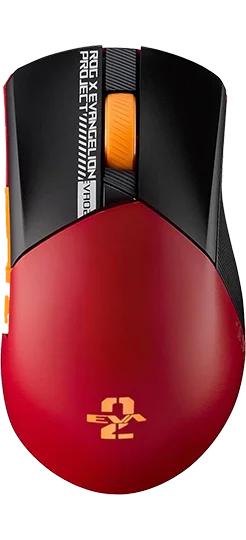
 View Asus ROG Gladius III Wireless AimPoint vs Asus ROG Gladius III Wireless AimPoint EVA-02 – detailed specifications
  View Asus ROG Gladius III Wireless AimPoint vs Asus ROG Gladius III Wireless AimPoint EVA-02 – ratings radar graph
  View Asus ROG Gladius III Wireless AimPoint vs Asus ROG Gladius III Wireless AimPoint EVA-02 – shape outlines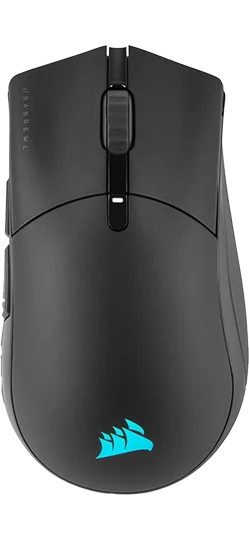
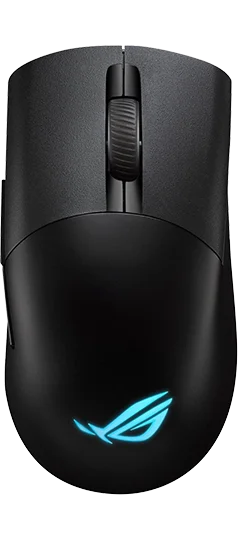 View Asus ROG Gladius III Wireless AimPoint vs Asus ROG Keris Wireless AimPoint – detailed specifications View Asus ROG Gladius III Wireless AimPoint vs Asus ROG Keris Wireless AimPoint – ratings radar graph View Asus ROG Gladius III Wireless AimPoint vs Asus ROG Keris Wireless AimPoint – shape outlines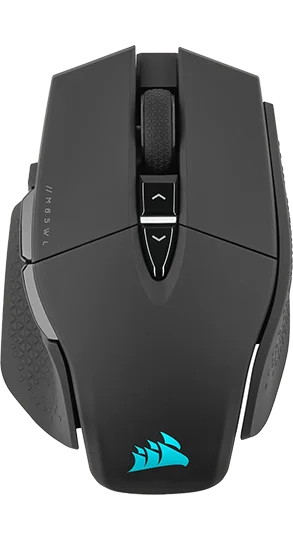
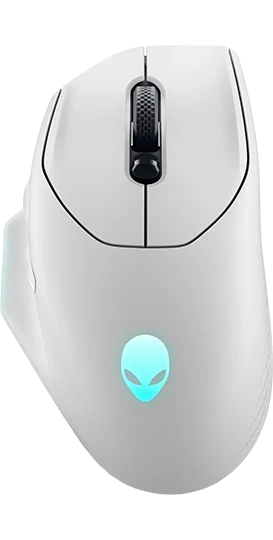
Recommended
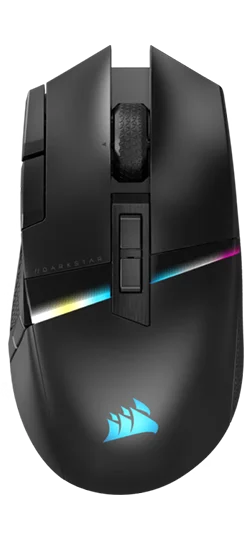
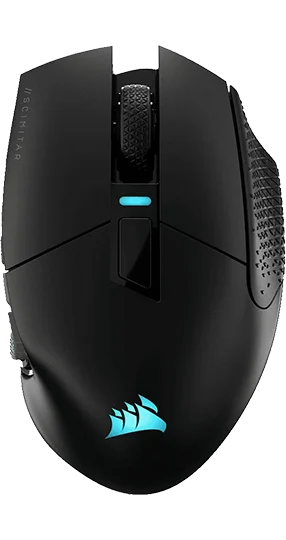 View Asus ROG Gladius III Wireless AimPoint vs Corsair Scimitar Elite Wireless – detailed specifications View Asus ROG Gladius III Wireless AimPoint vs Corsair Scimitar Elite Wireless – ratings radar graph View Asus ROG Gladius III Wireless AimPoint vs Corsair Scimitar Elite Wireless – shape outlines
 Terms | Privacy | Feedback