Apex Pro Gen 3
SnapshotProduct Images
SteelSeries Apex Pro Gen 3 Gaming keyboard Review, Ratings, and Specifications
Browse SteelSeries Apex Pro Gen 3 product images. Use the arrow buttons to change images, or select a thumbnail.

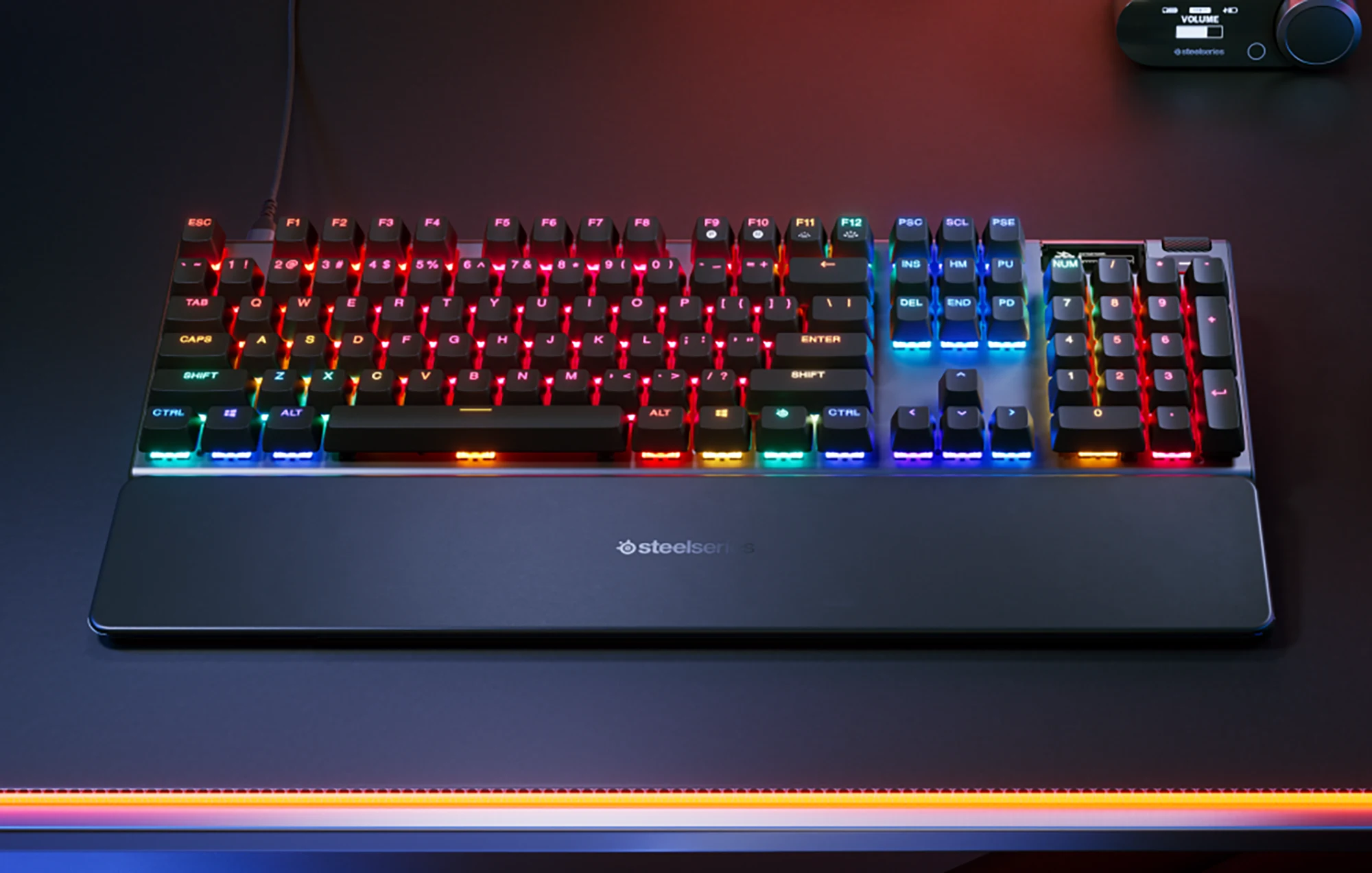
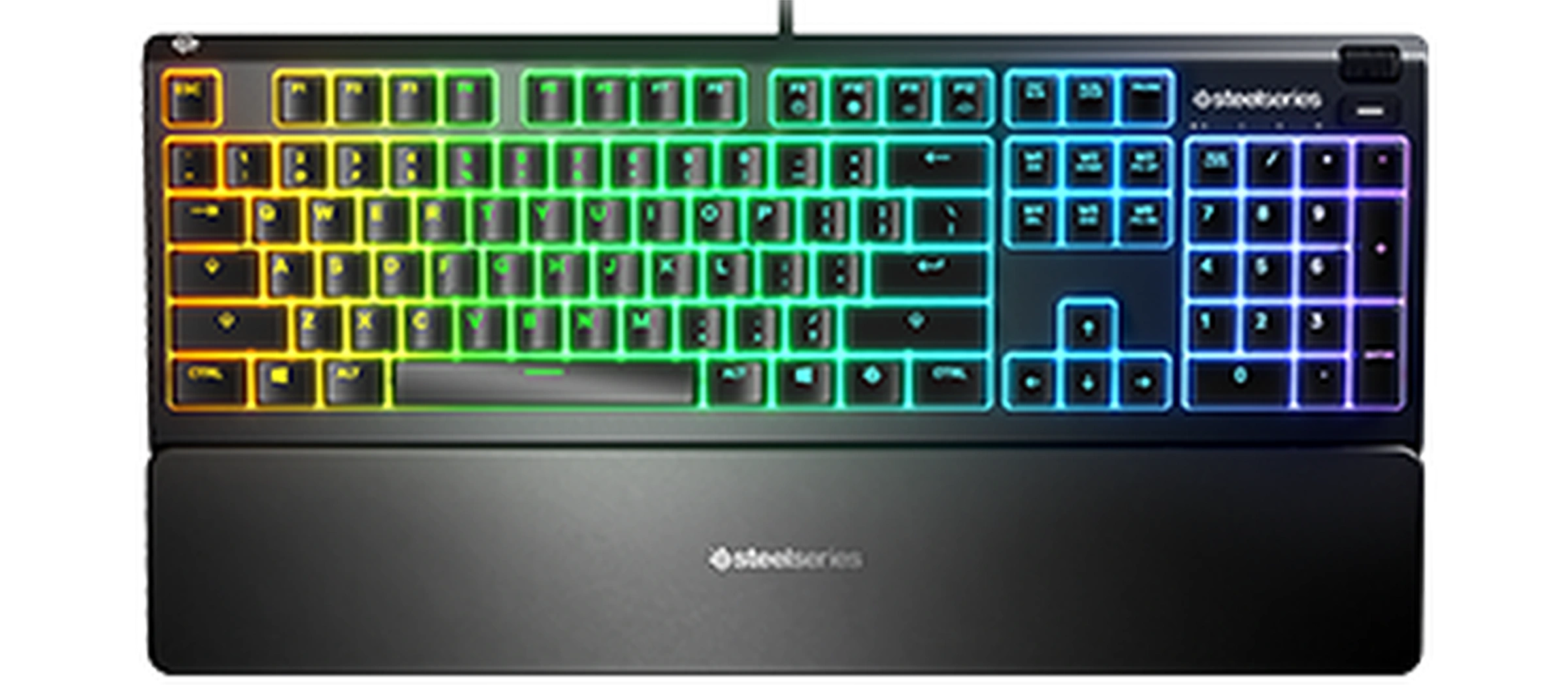
Comparisons
Best Deals
Pros & Cons
Pros
- Ergonomic palm grip design reduces fatigue during extended sessions
- 10M-click switches ensure longevity for MOBA/MMO gameplay
- Plug-and-play simplicity with four preset DPI settings (800–4,200)
- Sturdy ABS construction avoids creaks/flex common in budget mice
- 1ms/1000Hz polling rate meets baseline competitive standards for wired mice
Cons
- 48 IPS tracking falls below modern esports requirements (250+ IPS)
- 133g weight feels cumbersome vs. ultralight competitors
- No native button remapping for side/middle buttons
What We Think
The Acer Predator Cestus 310 is a budget-friendly gaming mouse tailored for palm-grip enthusiasts who value simplicity and durability over flashy customization. Its ergonomic design and textured grips make it a reliable companion for extended Diablo IV marathons or casual Minecraft sessions, though its 48 IPS sensor falls short for competitive titles like Counter-Strike 2. Priced at $34.99, this mouse delivers plug-and-play convenience with four preset DPI settings (800–4,200) and switches rated for 10 million clicks—ideal for MOBA players spamming abilities in League of Legends.
Programmability Notes: The two side buttons and middle click lack native remapping capabilities, requiring third-party software like AutoHotKey for customization. This limitation hampers MMO or RPG players needing quick-access macros in games like Final Fantasy XIV. While the side buttons register as XButton1 and XButton2, their fixed functions (forward/backward navigation) limit tactical flexibility compared to rivals like the Redragon K1NG M996 (8KHz polling) or the Cougar Minos XT, both offering programmable buttons.
For casual gamers, the Cestus 310’s no-frills approach shines—no software bloat, no RGB distractions. Yet, its 133g weight and dated sensor make it a poor fit for esports. Think of it as a nostalgic gateway for budget setups or secondary rigs, not a tournament-ready tool.
Performance Breakdown ?
Build
SensorWhat is a Sensor? A sensor in a gaming mouse is the component responsible for detecting movement and translating it into cursor movement on your screen. Different sensors like PMW, PAW, Hero, and others vary in technology and performance metrics.Distribution:
Each bar shows how many products received that score; the highlighted bar is this item’s score.01/2014 04/2022Why Does It Matter? The type of sensor directly affects the tracking accuracy, speed, responsiveness, and sometimes power efficiency of a mouse. High-quality sensors can provide a competitive edge by ensuring precise cursor control, which is crucial in gaming for accuracy in aiming or quick movements.Common Sensors:PMW (PixArt Maximum Performance Wireless): Known for high performance in wired setups, offering excellent tracking precision and speed.PAW (PixArt Adaptive Wireless): Focused on power efficiency, ideal for wireless mice, with good tracking capabilities and speed.Hero (Logitech): Renowned for its power efficiency and high accuracy, suitable for both wired and wireless applications.TrueMove Pro (SteelSeries): Provides advanced stabilization for precise tracking on various surfaces.Focus Pro (Razer): Designed for professional gaming with top-tier performance metrics.Owl-Eye (ROCCAT): Custom sensor with features tailored for gaming precision.Choosing the Right Sensor: When selecting a mouse, consider the sensor based on your gaming needs. If you're into competitive gaming, look for sensors with high DPI, IPS, and low latency like PMW or Focus Pro. For longevity in wireless setups, sensors like PAW or Hero are preferable due to their power efficiency. Also, consider your preference for wired vs. wireless, as some sensors are optimized for specific use cases.
Distribution:
PixArt PAW3519
WeightMissing tooltip for weightDistribution:
Each bar shows how many products received that score; the highlighted bar is this item’s score.133 59
Distribution:
133 g
Hardware
PollingHow often the mouse reports its position to the computer, measured in Hz (higher values mean smoother and more responsive tracking).Distribution:
Each bar shows how many products received that score; the highlighted bar is this item’s score.125 8000
Distribution:
DPIDots Per Inch (DPI) setting determines the sensitivity of the mouse. Higher DPI allows for faster cursor movement.Distribution:
Each bar shows how many products received that score; the highlighted bar is this item’s score.4200 26000
Distribution:
IPSInches Per Second (IPS) indicates how fast the mouse sensor can move and still track accurately.Distribution:
Each bar shows how many products received that score; the highlighted bar is this item’s score.48 650
Distribution:
AccelerationAcceleration measures how quickly the mouse can reach its maximum speed, affecting accuracy in fast-paced games, measured in g's.Distribution:
Each bar shows how many products received that score; the highlighted bar is this item’s score.10 50
Distribution:
Performance
Specifications
- Price (MSRP) $34.99
- SKU / Part # -
- Color(s) -
- Design(s) -
- Weight 133.00 g / 4.69 oz
- Material plastic
- Coating matte
- Feet Material PTFE (Black-Dyed)
- Lighting 3 zone (led)
- Release Date 07/2019
General Features
- Connection wired
- Connectivity n/a
- Computer Side Connector USB-A
- Mouse Side Connector n/a
- Cable Type braided
- Paracord
- Battery Hours n/a
Connectivity
- Length 121.00 mm / 4.76 in
- Width 67.00 mm / 2.64 in
- Height 39.00 mm / 1.54 in
Dimensions
- Form Factor right
- Shape ergonomic
- Hump middle
- Front Flare flat
Shape & Form
- Adjustable Weight
- Honeycomb Frame
- Silent Clicks
Extra Features
- Sensor PixArt PAW3519
- Sensor Type optical
- Flawless Sensor
- Sensor Latency -
- Polling Rate 1000 Hz
- DPI 4200 k
- IPS 48
- Acceleration 10 g
- Lift-off Distance -
- Lift-off Settings -
- Motion Sync
- Hardware Acceleration
- Nvidia Reflex
- Smoothing
Sensor Specs
- Switch Type mechanical
- Switches -
- Hot Swappable
- Click Latency -
- Click Force -
Switch Specs
- MCU -
- Side Button(s) 2
- Middle Button(s) 1
- Programmable Button(s) 0
- Tilt Wheel
- Adjustable Scroll Wheel
- Onboard Memory (5)
- Profile Switching
Control & Function
Similar


Recommended
 Terms | Privacy | Feedback