Katar Elite Wireless
SnapshotProduct Images
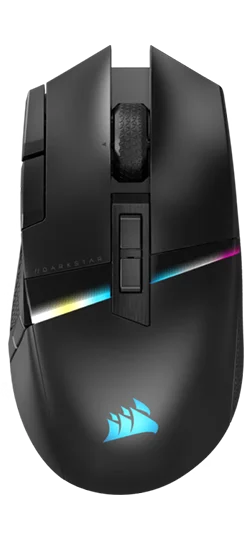
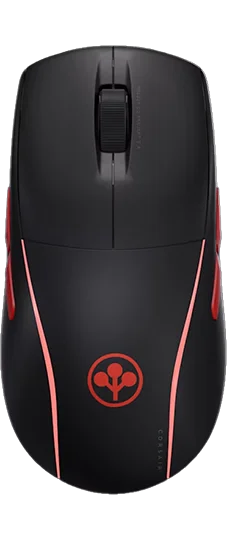
Corsair Katar Elite Wireless Gaming mouse Review, Ratings, and Specifications
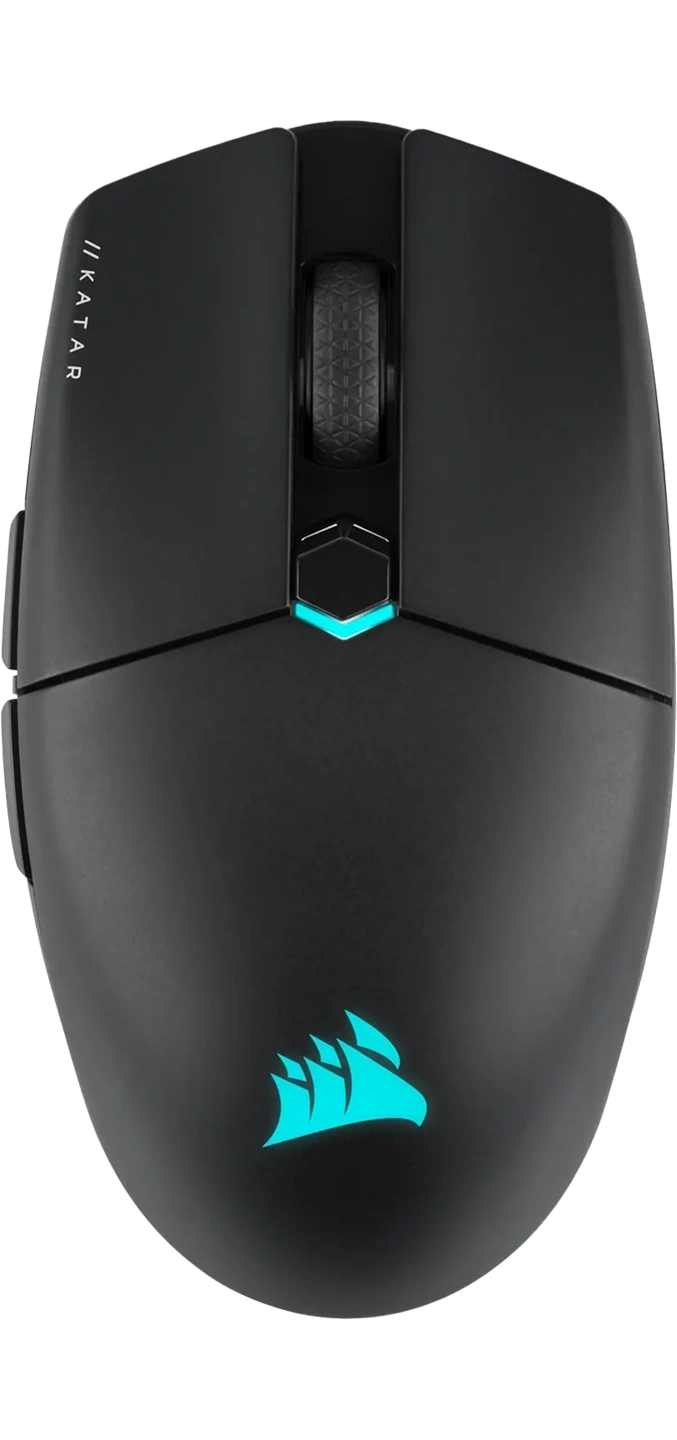
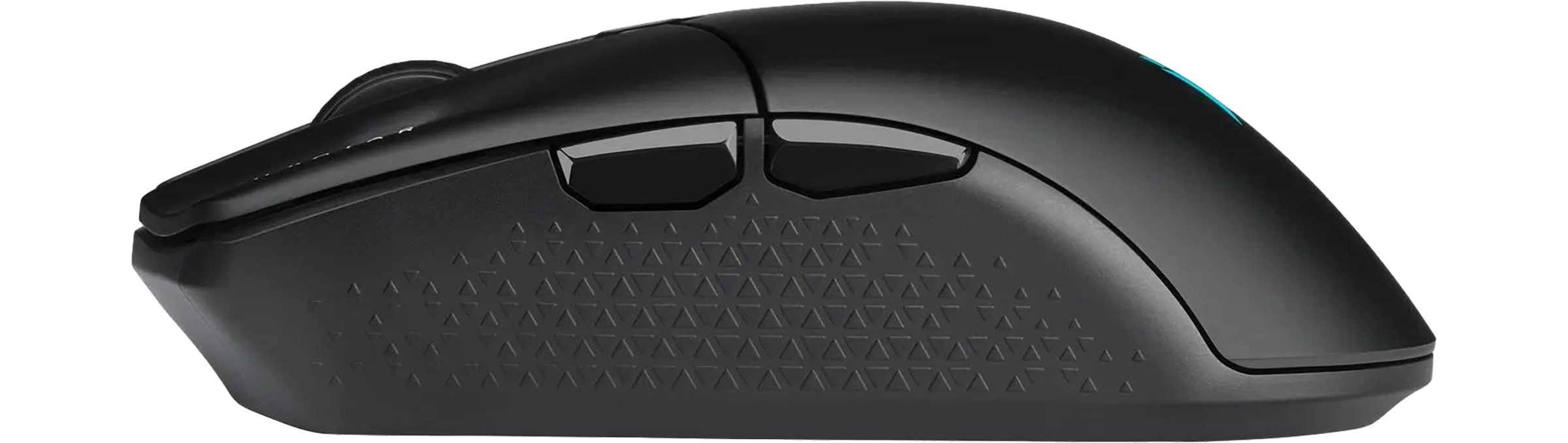
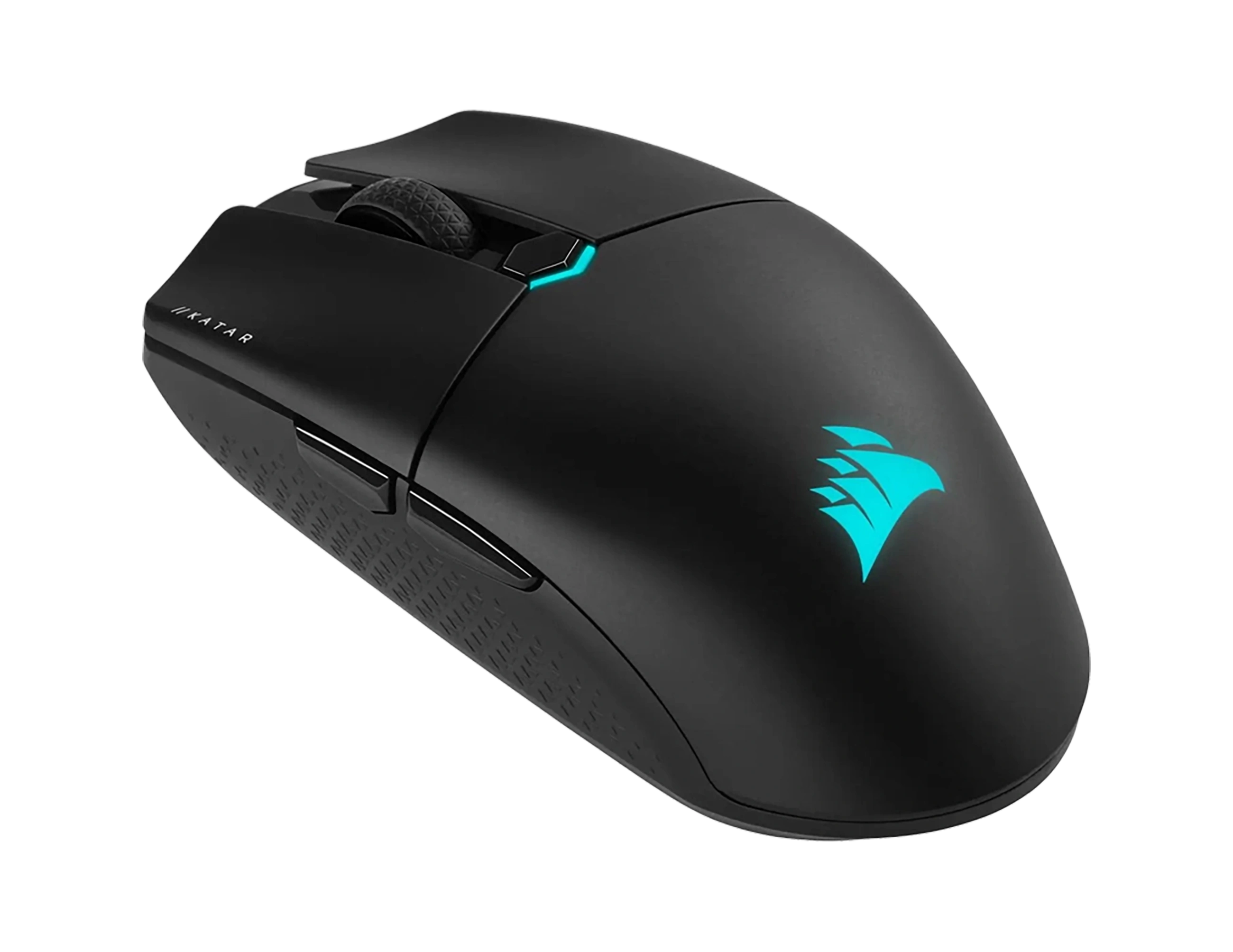
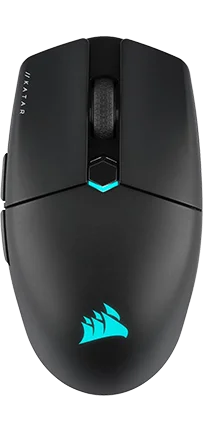
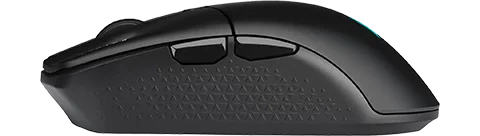
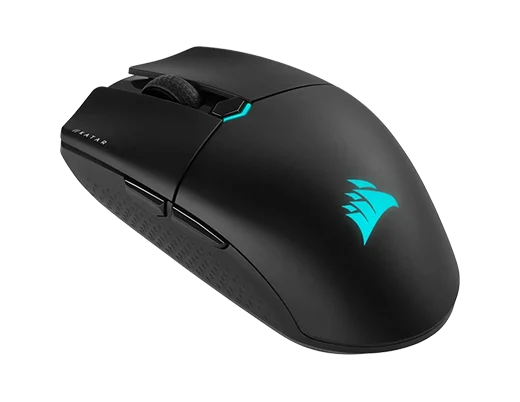
Browse Corsair Katar Elite Wireless product images. Use the arrow buttons to change images, or select a thumbnail.



Comparisons
Best Deals
Pros & Cons
Pros
- 69 g lightweight shell feels quick and low-effort for claw/fingertip play
- MARKSMAN 26K sensor with 650 IPS tracking keeps flicks and micro-adjustments precise
- Dual-wireless (SLIPSTREAM 2.4 GHz + Bluetooth) plus USB-C wired mode for flexibility
- Rated for roughly 60 hours (2.4 GHz) to 110 hours (Bluetooth) between charges with sensible lighting
- QUICKSTRIKE primary buttons offer crisp, low-pre-travel clicks that many players praise
- Large 100% PTFE feet provide smooth glide on most cloth and hybrid pads
Cons
- Scroll wheel and side buttons are usable but feel stiffer/mushier than the best esports-focused designs
- “2,000 Hz” hyper-polling mode doesn’t deliver true 2K performance in practice — it behaves like a 1,000 Hz mouse
- Not as ultra-light or high-refresh as newer 50–60 g 4K/8K wireless options if you’re chasing absolute top-end performance
What We Think
What You Need To Know
The Corsair Katar Elite Wireless is Corsair’s compact, small-to-medium-hand wireless FPS/MOBA mouse: 69 g, a low-profile symmetrical shell, hybrid 2.4 GHz + Bluetooth + USB-C wired, and a 26K Marksman sensor rated for 650 IPS and 50G acceleration. It’s tuned for claw and fingertip grips and aimed more at “serious ranked play on a budget” than at the absolute bleeding edge of 4K/8K esports specs. At its original $79.99 MSRP it sat in slightly awkward territory, but it’s frequently discounted into the ~$50 range, which is where the value really clicks.
| Spec highlight | What it feels like in game |
|---|---|
| 69 g weight | Easy to whip around, but still more stable than ultra-tiny 50–60 g mice |
| Hybrid wireless | One mouse that covers gaming PC, laptop, and couch setups |
| 26K sensor | No spinouts or sensor weirdness even at low sens with big flicks |
Performance, Sensor & The “2K” Question
Corsair’s Marksman 26K sensor is effectively “flawless” for normal play: very wide DPI range with 1-DPI steps, 650 IPS tracking, 50G acceleration, and no smoothing or hardware acceleration flags in your internal data. Paired with Slipstream 2.4 GHz, that gives you low, consistent click latency and stable 1,000 Hz-class responsiveness that’s easily good enough for ranked FPS and arena games.
Where things get messy is the advertised “2,000 Hz” hyper-polling. Early spec lists (and some retailer pages) still mention up to 2,000 Hz report rates, and in iCUE you can toggle a 2K mode. Under the hood, though, independent USB traces and community testing show that the mouse enumerates as a full-speed USB device and simply duplicates updates inside each packet when 2K is enabled, instead of actually sending twice as many real motion samples per second. In other words, the 2K toggle behaves functionally like 1,000 Hz: there’s no measurable jump in motion smoothness or click-to-shot timing compared with its standard 1K setting.
Practically, that means two things:
- You’re not getting true 2K-class performance, so it shouldn’t be judged against real 2K/4K/8K mice like the Logitech G Pro X Superlight 2 or Razer Viper V3 Pro.
- You also aren’t handicapped versus other well-tuned 1K wireless mice — the Katar Elite hangs right with that crowd; the “2K” label is more marketing noise than a real advantage.
Shape, Comfort & Build
The Katar Elite Wireless sticks with the Katar family’s compact, low-profile outline: a narrow, symmetrical shell with gently flared triggers and textured side walls. At 69 g without the cable it lands in “light, but not ultra-light” territory for 2025. Small-to-medium hands using claw or fingertip grips are the clear winners; larger hands trying to palm it will usually run out of support and may feel like they’re pinching the mouse rather than resting on it. Community feedback often compares it to a stretched-out, slimmed-down Logitech G305 Lightspeed — easier to whip around than a G305, but similarly compact in footprint.
Overall build quality is solid: no major creaks, and the shell doesn’t feel hollow or cheap. Primary clicks benefit from Corsair’s Quickstrike mechanism and 60M-rated switches, giving them a fast, snappy feel. The tradeoff is that the scroll wheel and side buttons have more resistance and a slightly mushier/meatier feel than the absolute top-tier esports mice. They’re absolutely usable, but if you spam wheel jumps or rely heavily on thumb buttons, you’ll notice the difference versus the crispest click implementations out there.
The stock 100% PTFE feet glide well on most cloth and hard pads. On very rough cloth surfaces they won’t feel as “floaty” as oversized aftermarket skates, but for most players the default glide is plenty quick.
Wireless Experience & Everyday Use
Hybrid connectivity is one of the Katar Elite’s strengths. Slipstream 2.4 GHz handles your low-latency gaming, Bluetooth is handy for laptops, work PCs or a couch setup, and the detachable USB-C cable covers both charging and wired play. Corsair rates the battery for up to 60 hours over 2.4 GHz and up to 110 hours over Bluetooth, which lines up with third-party testing and long-term user reports: in practice that’s several evenings of gaming between charges if you primarily stay on Slipstream, and much longer if you idle in BT.
iCUE lets you remap all six buttons, configure DPI steps, lighting and polling options, and store a single onboard profile. The software is powerful but heavier than some competitors, so the best workflow is to set your DPI stages, lighting, and preferred polling once, save to the mouse, and then minimize it.
Where It Fits In The Lineup
In your scoring, the Katar Elite Wireless lands as a strong mid-tier FPS/MOBA option (overall around 8.4, FPS around 7.8), not a flagship killer. It’s clearly more competitive-ready than older, heavier budget wireless options like the Corsair Katar Pro Wireless, thanks to its lower weight, higher-end sensor, and rechargeable battery. On the other side, lighter and far pricier mice such as the Logitech G Pro X Superlight 2 or Razer Viper V3 Pro bring true 4K/8K polling and sub-60 g shells — but you pay significantly more for those last few percentage points of latency and weight savings.
If your absolute priority is raw value and you don’t care about Bluetooth or rechargeability, something like the Logitech G305 Lightspeed can undercut the Katar Elite on price, but you give up hybrid connectivity and make a big jump in weight. That leaves the Katar Elite Wireless in a nice “middle lane” — a lighter, more modern hybrid-wireless upgrade that doesn’t demand a flagship budget.
Bottom line: buy the Katar Elite Wireless as a fast, reliable 1,000 Hz-class hybrid wireless with a very good sensor and compact claw/fingertip shape — not as a budget shortcut to true 2,000+ Hz high-refresh performance.
If you have small-to-medium hands, prefer claw or fingertip, and want one mouse that can handle both ranked matches and day-to-day desktop use, the Katar Elite Wireless is easy to recommend when it’s decently discounted. If you’re chasing the lightest shells and real 4K/8K polling, you’ll still be happier stepping up to the latest top-end esports mice, but most players won’t feel held back by what the Katar Elite delivers in real games.
Performance Breakdown ?
Build
SensorWhat is a Sensor? A sensor in a gaming mouse is the component responsible for detecting movement and translating it into cursor movement on your screen. Different sensors like PMW, PAW, Hero, and others vary in technology and performance metrics.Distribution:
Each bar shows how many products received that score; the highlighted bar is this item’s score.01/2012 05/2025Why Does It Matter? The type of sensor directly affects the tracking accuracy, speed, responsiveness, and sometimes power efficiency of a mouse. High-quality sensors can provide a competitive edge by ensuring precise cursor control, which is crucial in gaming for accuracy in aiming or quick movements.Common Sensors:PMW (PixArt Maximum Performance Wireless): Known for high performance in wired setups, offering excellent tracking precision and speed.PAW (PixArt Adaptive Wireless): Focused on power efficiency, ideal for wireless mice, with good tracking capabilities and speed.Hero (Logitech): Renowned for its power efficiency and high accuracy, suitable for both wired and wireless applications.TrueMove Pro (SteelSeries): Provides advanced stabilization for precise tracking on various surfaces.Focus Pro (Razer): Designed for professional gaming with top-tier performance metrics.Owl-Eye (ROCCAT): Custom sensor with features tailored for gaming precision.Choosing the Right Sensor: When selecting a mouse, consider the sensor based on your gaming needs. If you're into competitive gaming, look for sensors with high DPI, IPS, and low latency like PMW or Focus Pro. For longevity in wireless setups, sensors like PAW or Hero are preferable due to their power efficiency. Also, consider your preference for wired vs. wireless, as some sensors are optimized for specific use cases.
Distribution:
Corsair MARKSMAN 26K
WeightWhat is Weight? Weight refers to the mass of a gaming mouse, measured in grams, affecting its feel and maneuverability.Distribution:
Each bar shows how many products received that score; the highlighted bar is this item’s score.147 36Why Does It Matter? Lighter mice enable faster movements, ideal for competitive gaming, while heavier mice offer stability, suiting precise or controlled playstyles.
Distribution:
69 g
SkatesMouse Feet Material (Skates): These pads under your mouse significantly influence glide, performance, and durability.Distribution:
Each bar shows how many products received that score; the highlighted bar is this item’s score.PTFE (Colored/Mixed): Moderate friction coefficient - Balances speed with a touch of added control, often seen in stock mouse setups for its versatility. The addition of dyes or other materials might slightly increase friction compared to virgin-grade, but it also enhances durability and offers color options for personalization.PTFE (Virgin-Grade): Very low friction coefficient - Pure PTFE provides minimal resistance, allowing for a seamless glide across your mousepad. This material is favored for its purity, which results in less wear over time, maintaining its glide properties longer than colored PTFE.Glass Skates (Glossy Aluminosilicate): Lowest friction coefficient - Offers an incredibly smooth glide, ideal for quick, precise movements in gaming. Their durability is unmatched, ensuring consistent performance over time, even under heavy use.Glass Skates (Matte Aluminosilicate): Low friction coefficient - Strikes a balance between speed and control, offering a tactile feedback not found in glossy finishes. The matte surface reduces the initial stickiness sometimes experienced with glossy skates, providing gamers with better control for micro-adjustments.UHMWPE: Moderate to high friction coefficient - Known for its durability, it provides a controlled glide, ideal for gamers who prefer precision.Ceramic: Higher friction coefficient - Durable and suited for hard surfaces, these skates offer control-focused glide characteristics.Sapphire: Variable friction coefficient - Luxury option with exceptional durability and glide, though performance can vary with surface treatment.Thickness and Shape: These aspects affect how your mouse interacts with the surface. Thicker skates can increase lift-off distance but may last longer, while shape influences glide smoothness.Installation and Maintenance: Proper installation involves cleaning, precise alignment of new skates, and sometimes heating for old skate removal. Regular maintenance ensures optimal glide performance.
Distribution:
PTFE (Virgin-Grade)
Hardware
PollingWhat is Polling Rate? Polling rate, measured in Hz, is how often a mouse reports its position to the computer.Distribution:
Each bar shows how many products received that score; the highlighted bar is this item’s score.125 8000Why Does It Matter? Higher polling rates provide smoother, more responsive tracking, critical for competitive gaming where precision and speed are key.
Distribution:
DPIWhat is DPI? Dots Per Inch (DPI) measures the sensitivity of a mouse, determining how far the cursor moves per inch of physical movement.Distribution:
Each bar shows how many products received that score; the highlighted bar is this item’s score.4200 44000Why Does It Matter? Higher DPI allows faster cursor movement, ideal for high-resolution displays or fast-paced gaming, while lower DPI offers precision for detailed tasks.
Distribution:
IPSWhat is IPS? Inches Per Second (IPS) indicates the maximum speed at which a mouse sensor can move while still accurately tracking.Distribution:
Each bar shows how many products received that score; the highlighted bar is this item’s score.48 888Why Does It Matter? Higher IPS ensures reliable tracking during rapid movements, essential for fast-paced gaming where quick swipes are common.
Distribution:
AccelerationWhat is Acceleration? Acceleration measures how quickly a mouse sensor can reach its maximum tracking speed, expressed in g-forces (g).Distribution:
Each bar shows how many products received that score; the highlighted bar is this item’s score.10 88Why Does It Matter? Higher acceleration ensures accurate tracking during fast movements, vital for dynamic gaming scenarios requiring rapid cursor shifts.
Distribution:
Performance
Switch LatencyWhat is Click Latency? Click latency is the time it takes for a mouse to register and transmit a button click, measured in milliseconds.Distribution:
Each bar shows how many products received that score; the highlighted bar is this item’s score.19.7 0.4Why Does It Matter? Lower click latency improves reaction time, crucial for gaming where fast, precise inputs can provide a competitive edge.
Distribution:
1.4 ms
Specifications
- Price (MSRP) $79.99
- SKU / Part # CH-931C111-NA
- Color(s)
- Design(s) standard
- Weight 69.00 g / 2.43 oz
- Material plastic
- Coating matte
- Feet Material PTFE (Virgin-Grade)
- Lighting 2 zone (rgb)
- Release Date 10/2022
General Features
- Connection hybrid
- Connectivity 2.4GHz Dongle
- Computer Side Connector USB-A
- Mouse Side Connector USB-C
- Cable Type braided
- Paracord
- Battery Hours 60
Connectivity
- Length 115.80 mm / 4.56 in
- Width 64.20 mm / 2.53 in
- Height 37.80 mm / 1.49 in
Dimensions
- Form Factor right
- Shape symmetrical
- Hump back - front
- Front Flare inward
Shape & Form
- Adjustable Weight
- Honeycomb Frame
- Silent Clicks
Extra Features
- Sensor Corsair MARKSMAN 26K
- Sensor Type optical
- Flawless Sensor -
- Sensor Latency -
- Polling Rate 2000 Hz
- DPI 26000 k
- IPS 650
- Acceleration 50 g
- Lift-off Distance -
- Lift-off Settings -
- Motion Sync
- Hardware Acceleration
- Nvidia Reflex
- Smoothing
Sensor Specs
- Switch Type optical
- Switches Omron D2FC-7N (60M)
- Hot Swappable
- Click Latency 1.4 Wireless (ms)
- Click Force -
Switch Specs
- MCU -
- Side Button(s) 2
- Middle Button(s) 1
- Programmable Button(s) 6
- Tilt Wheel
- Adjustable Scroll Wheel
- Onboard Memory (1)
- Profile Switching
Control & Function
Video Spotlight
Similar
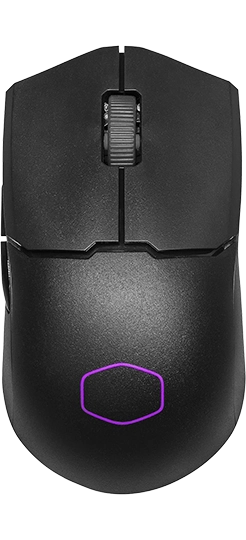
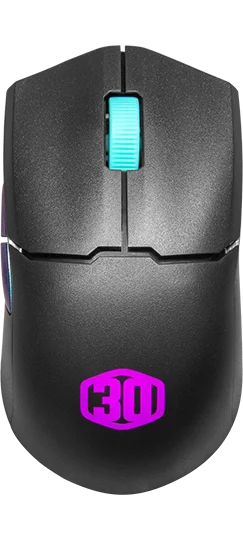
 View Corsair Katar Elite Wireless vs Cooler Master MM712 30th Anniversary Edition – detailed specifications
  View Corsair Katar Elite Wireless vs Cooler Master MM712 30th Anniversary Edition – ratings radar graph
  View Corsair Katar Elite Wireless vs Cooler Master MM712 30th Anniversary Edition – shape outlines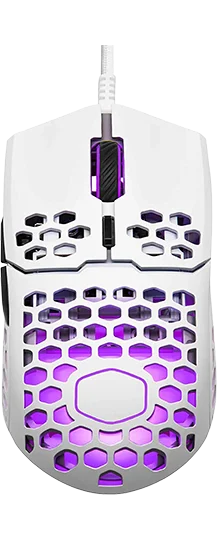

Recommended
 Terms | Privacy | Feedback