ROG Harpe Ace Extreme
SnapshotProduct Images
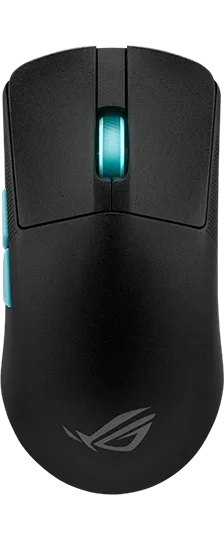
Asus ROG Harpe Ace Extreme Gaming mouse Review, Ratings, and Specifications
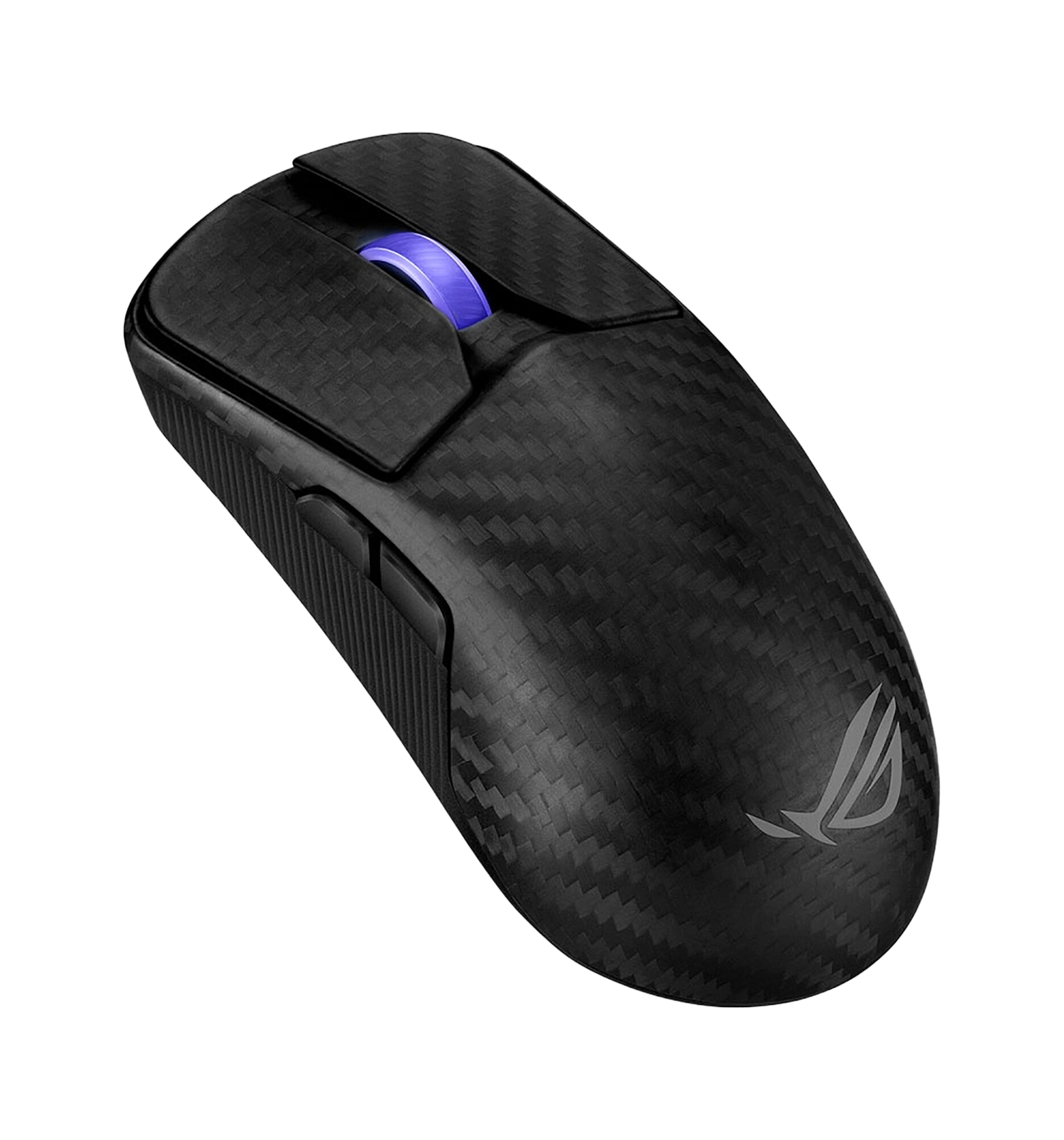
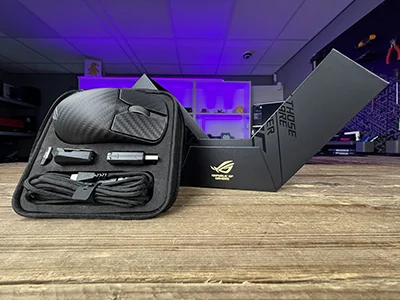
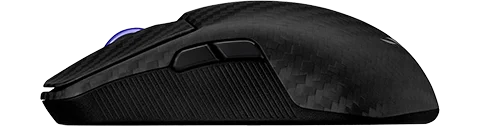
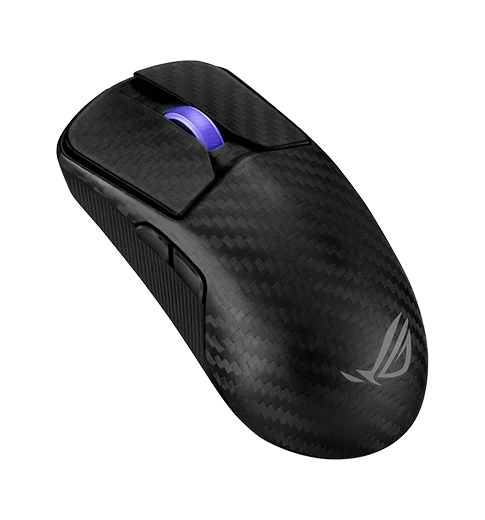
Browse Asus ROG Harpe Ace Extreme product images. Use the arrow buttons to change images, or select a thumbnail.



Comparisons
Best Deals
Pros & Cons
Pros
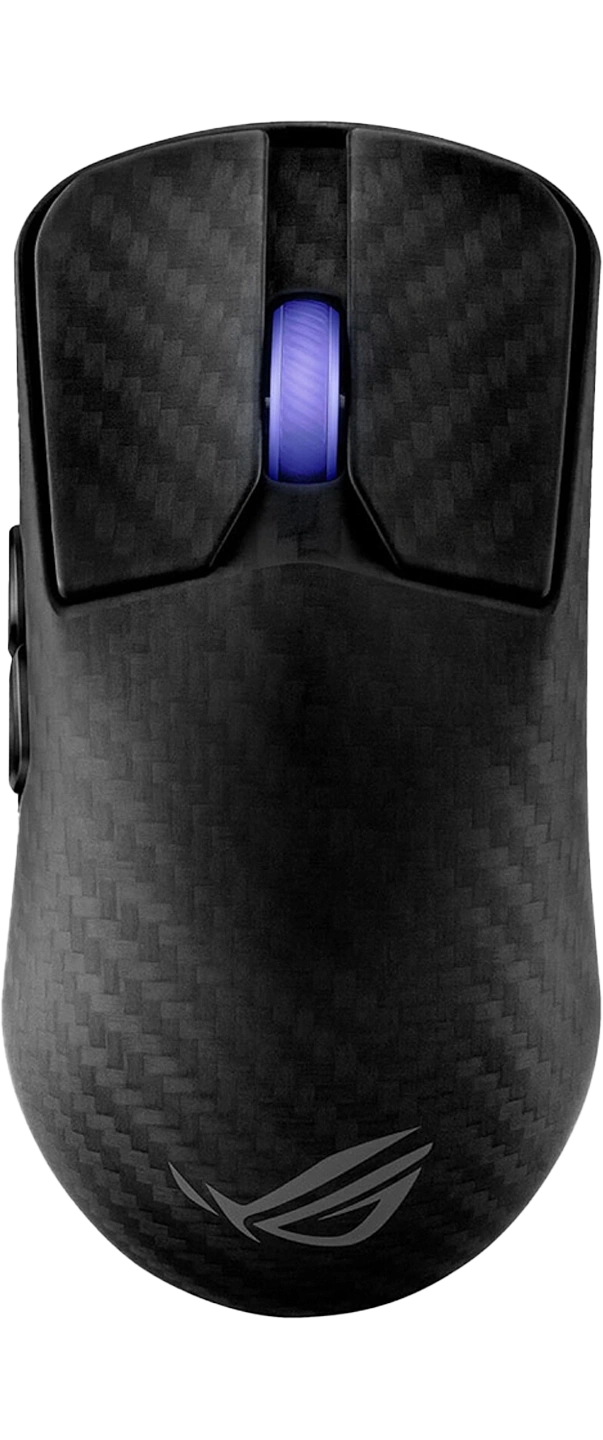
- Featherweight ~47 g carbon-fiber shell feels premium
- 42K DPI AimPoint Pro sensor tracks flawlessly
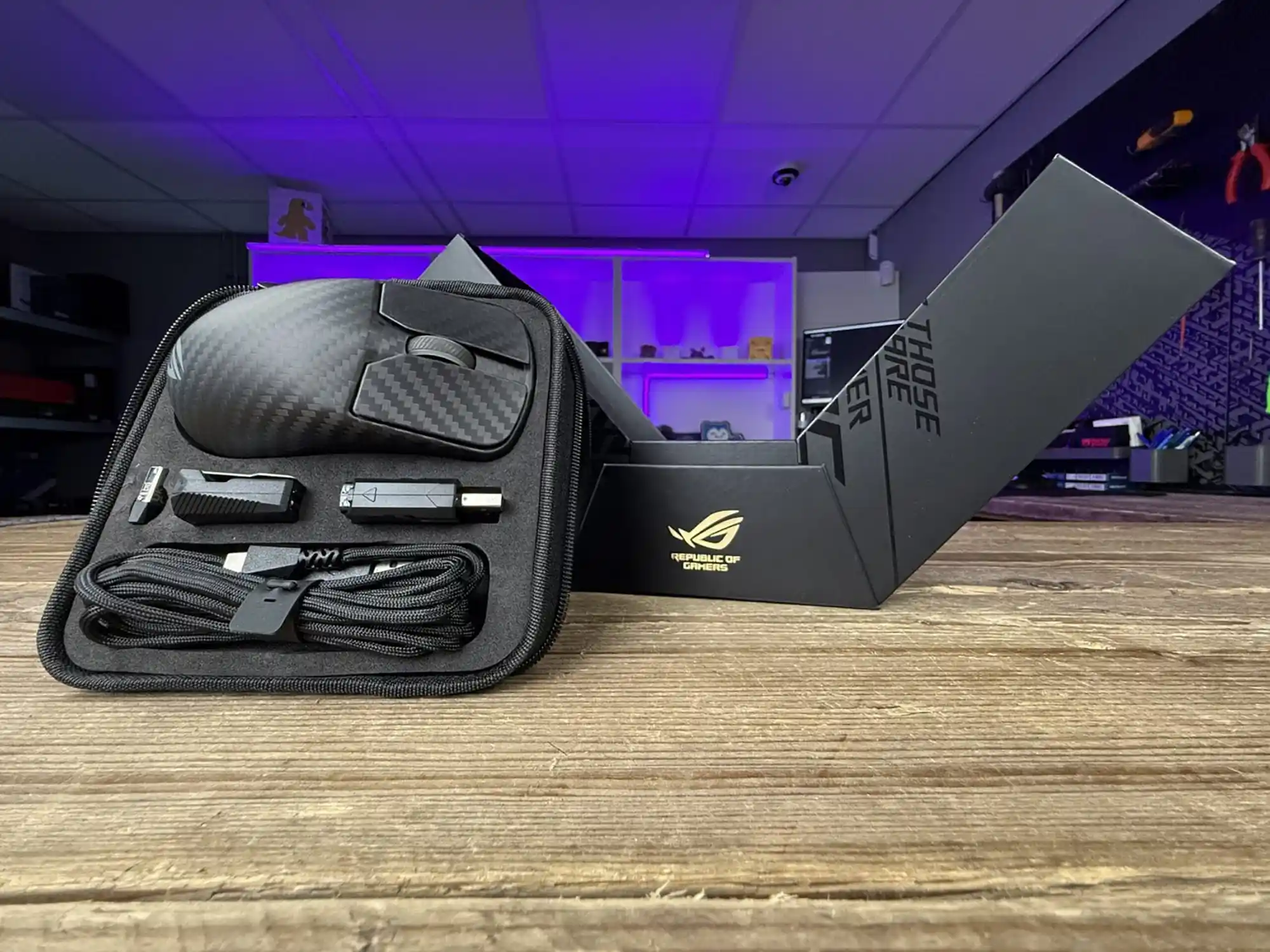
- Comes with 8K booster, Omni receiver, extra skates
- Crisp optical clicks with consistent left/right feel
- Tri-mode: 2.4 GHz, Bluetooth, and wired
Cons
- Ultra-premium price (~$250) is tough to justify
What We Think
The Asus ROG Harpe Ace Extreme is an ultralight wireless gaming mouse that treats competitive FPS as the whole mission statement: keep weight low, clicks consistent, and tracking rock-solid. At ~47 g, it’s quick to start and stop, which helps in games where micro‑corrections and fast flicks decide rounds — but at roughly $250, the big question is whether the premium carbon‑fiber build and accessory bundle are worth the “Extreme” tax.
The “Extreme” part isn’t just the carbon fiber — it’s the everything-in-the-box approach (8K booster, spare skates, case, stand) paired with a price that’s clearly aiming at enthusiasts and collectors.
What stands out in actual play
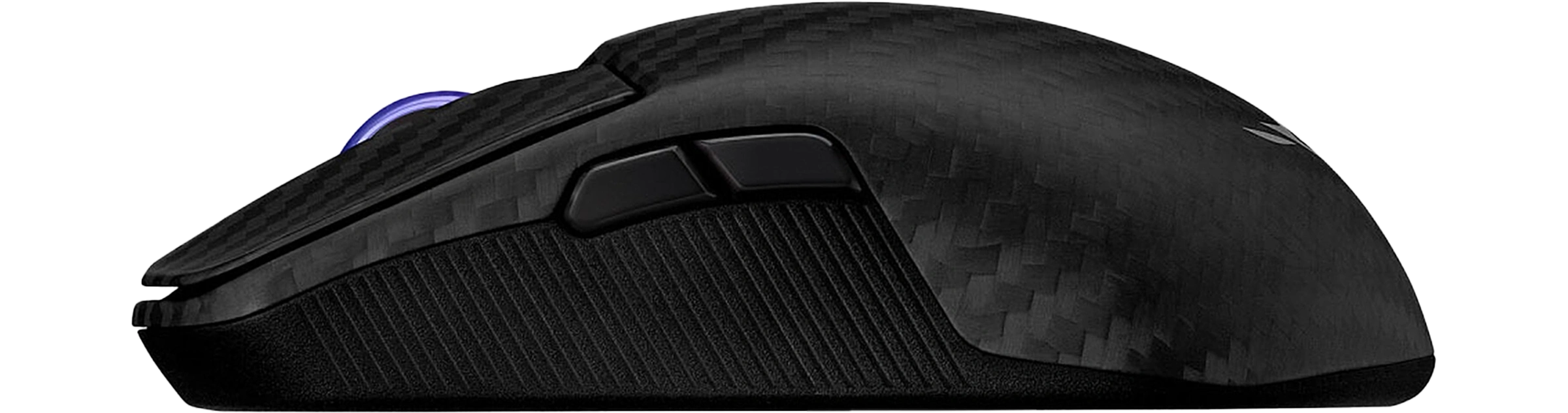
The shape is a familiar, safe semi‑symmetrical silhouette that works best for claw and fingertip, and can be comfortable for palm if you have medium-to-large hands. The carbon‑fiber top shell gives it a “dense but featherweight” feel that many premium mice chase, and the matte finish tends to feel grippier than bare plastic — useful when your hands get warm mid‑match.
Tracking is the “set it and forget it” kind of solid: the AimPoint Pro sensor is built for clean flicks and micro‑adjustments, and it’s happy on a wide range of surfaces (including glass when paired with the right skates/pad setup).
The default glide can be a lot faster than typical PTFE setups if you install the included glass skates. That’s a win for players who like effortless, low‑friction movement on cloth pads, but it can feel twitchy if you rely on heavier control. Thankfully, ASUS includes PTFE skates too, so you can tune the mouse toward speed or control without buying aftermarket parts on day one.
Performance knobs that matter
The headline feature is up to 8,000 Hz polling (with the included booster). In practice, 8K is a “nice to have” rather than a must: it can feel a bit smoother on high‑refresh setups, but it also increases CPU workload and can noticeably reduce battery life compared to 1K. If you don’t want to fuss, running 1K–2K is a perfectly sane default. Battery life is rated up to ~70 hours depending on settings, and it will drop as you raise polling.
Plan on spending a few minutes in Armoury Crate Gear to update firmware and set your polling steps — especially if you’re chasing 8K stability.
Here’s the short version of what you can actually tweak:
| What you can change | Why you’d change it |
|---|---|
| Polling rate (1K → 8K) | Smoothness vs battery/CPU overhead |
| Glass vs PTFE skates | Faster glide vs more controlled stops |
| 2.4 GHz / Bluetooth / wired | Best latency vs convenience across devices |
Who it’s for (and who should skip it)
Buy it if you want a no-compromises FPS mouse with a premium build and you’ll actually use the included extras. It makes the most sense if you already like the Harpe shape and you’re optimizing for ranked shooters.
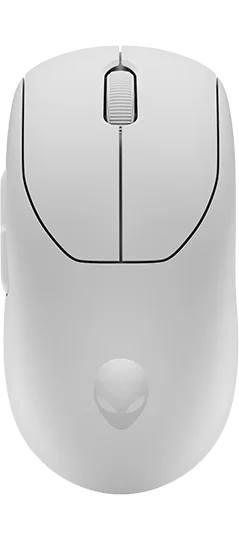
Skip it if the price stings or you have smaller hands that find the Harpe shell a bit long. In that case, ROG Harpe Ace Mini is the obvious “same vibe, easier buy” option, while ROG Harpe Ace Aim keeps the core feel at a lower price (but with a more standard polling-rate setup). If you want a more mainstream flagship-style package (and don’t mind a bit more weight), Alienware Pro is worth a look.
If you’re shopping the whole category, it’s also worth browsing more ultra-light mice to see how far you can go before the “Extreme” tax stops making sense.
Performance Breakdown ?
Build
SensorWhat is a Sensor? A sensor in a gaming mouse is the component responsible for detecting movement and translating it into cursor movement on your screen. Different sensors like PMW, PAW, Hero, and others vary in technology and performance metrics.Distribution:
Each bar shows how many products received that score; the highlighted bar is this item’s score.01/2012 05/2025Why Does It Matter? The type of sensor directly affects the tracking accuracy, speed, responsiveness, and sometimes power efficiency of a mouse. High-quality sensors can provide a competitive edge by ensuring precise cursor control, which is crucial in gaming for accuracy in aiming or quick movements.Common Sensors:PMW (PixArt Maximum Performance Wireless): Known for high performance in wired setups, offering excellent tracking precision and speed.PAW (PixArt Adaptive Wireless): Focused on power efficiency, ideal for wireless mice, with good tracking capabilities and speed.Hero (Logitech): Renowned for its power efficiency and high accuracy, suitable for both wired and wireless applications.TrueMove Pro (SteelSeries): Provides advanced stabilization for precise tracking on various surfaces.Focus Pro (Razer): Designed for professional gaming with top-tier performance metrics.Owl-Eye (ROCCAT): Custom sensor with features tailored for gaming precision.Choosing the Right Sensor: When selecting a mouse, consider the sensor based on your gaming needs. If you're into competitive gaming, look for sensors with high DPI, IPS, and low latency like PMW or Focus Pro. For longevity in wireless setups, sensors like PAW or Hero are preferable due to their power efficiency. Also, consider your preference for wired vs. wireless, as some sensors are optimized for specific use cases.
Distribution:
ROG AimPoint Pro (PixArt PAW3950)
WeightWhat is Weight? Weight refers to the mass of a gaming mouse, measured in grams, affecting its feel and maneuverability.Distribution:
Each bar shows how many products received that score; the highlighted bar is this item’s score.147 36Why Does It Matter? Lighter mice enable faster movements, ideal for competitive gaming, while heavier mice offer stability, suiting precise or controlled playstyles.
Distribution:
47 g
SkatesMouse Feet Material (Skates): These pads under your mouse significantly influence glide, performance, and durability.Distribution:
Each bar shows how many products received that score; the highlighted bar is this item’s score.PTFE (Colored/Mixed): Moderate friction coefficient - Balances speed with a touch of added control, often seen in stock mouse setups for its versatility. The addition of dyes or other materials might slightly increase friction compared to virgin-grade, but it also enhances durability and offers color options for personalization.PTFE (Virgin-Grade): Very low friction coefficient - Pure PTFE provides minimal resistance, allowing for a seamless glide across your mousepad. This material is favored for its purity, which results in less wear over time, maintaining its glide properties longer than colored PTFE.Glass Skates (Glossy Aluminosilicate): Lowest friction coefficient - Offers an incredibly smooth glide, ideal for quick, precise movements in gaming. Their durability is unmatched, ensuring consistent performance over time, even under heavy use.Glass Skates (Matte Aluminosilicate): Low friction coefficient - Strikes a balance between speed and control, offering a tactile feedback not found in glossy finishes. The matte surface reduces the initial stickiness sometimes experienced with glossy skates, providing gamers with better control for micro-adjustments.UHMWPE: Moderate to high friction coefficient - Known for its durability, it provides a controlled glide, ideal for gamers who prefer precision.Ceramic: Higher friction coefficient - Durable and suited for hard surfaces, these skates offer control-focused glide characteristics.Sapphire: Variable friction coefficient - Luxury option with exceptional durability and glide, though performance can vary with surface treatment.Thickness and Shape: These aspects affect how your mouse interacts with the surface. Thicker skates can increase lift-off distance but may last longer, while shape influences glide smoothness.Installation and Maintenance: Proper installation involves cleaning, precise alignment of new skates, and sometimes heating for old skate removal. Regular maintenance ensures optimal glide performance.
Distribution:
Glass
Hardware
PollingWhat is Polling Rate? Polling rate, measured in Hz, is how often a mouse reports its position to the computer.Distribution:
Each bar shows how many products received that score; the highlighted bar is this item’s score.125 8000Why Does It Matter? Higher polling rates provide smoother, more responsive tracking, critical for competitive gaming where precision and speed are key.
Distribution:
DPIWhat is DPI? Dots Per Inch (DPI) measures the sensitivity of a mouse, determining how far the cursor moves per inch of physical movement.Distribution:
Each bar shows how many products received that score; the highlighted bar is this item’s score.4200 44000Why Does It Matter? Higher DPI allows faster cursor movement, ideal for high-resolution displays or fast-paced gaming, while lower DPI offers precision for detailed tasks.
Distribution:
IPSWhat is IPS? Inches Per Second (IPS) indicates the maximum speed at which a mouse sensor can move while still accurately tracking.Distribution:
Each bar shows how many products received that score; the highlighted bar is this item’s score.48 888Why Does It Matter? Higher IPS ensures reliable tracking during rapid movements, essential for fast-paced gaming where quick swipes are common.
Distribution:
AccelerationWhat is Acceleration? Acceleration measures how quickly a mouse sensor can reach its maximum tracking speed, expressed in g-forces (g).Distribution:
Each bar shows how many products received that score; the highlighted bar is this item’s score.10 88Why Does It Matter? Higher acceleration ensures accurate tracking during fast movements, vital for dynamic gaming scenarios requiring rapid cursor shifts.
Distribution:
Performance
Switch LatencyWhat is Click Latency? Click latency is the time it takes for a mouse to register and transmit a button click, measured in milliseconds.Distribution:
Each bar shows how many products received that score; the highlighted bar is this item’s score.19.7 0.4Why Does It Matter? Lower click latency improves reaction time, crucial for gaming where fast, precise inputs can provide a competitive edge.
Distribution:
1 ms
Lift-OffWhat is Lift-Off Distance? Lift-off distance (LOD) is the height (in mm) at which a mouse’s sensor stops tracking when lifted from the surface.Distribution:
Each bar shows how many products received that score; the highlighted bar is this item’s score.5 0Why Does It Matter? A low LOD minimizes unwanted cursor movement during lifts, crucial for low-sensitivity gamers who frequently reposition their mouse.
Distribution:
1.2 mm
Specifications
- Price (MSRP) $249.99
- SKU / Part # 90MP03U0-BMUA00
- Color(s)
- Design(s) standard
- Weight 47.00 g / 1.66 oz
- Material carbon fiber
- Coating matte
- Feet Material Glass
- Lighting 1 zone (rgb)
- Release Date 09/2024
General Features
- Connection hybrid
- Connectivity 2.4GHz Dongle
- Computer Side Connector USB-A
- Mouse Side Connector USB-C
- Cable Type braided
- Paracord
- Battery Hours 70
Connectivity
- Length 127.50 mm / 5.02 in
- Width 63.70 mm / 2.51 in
- Height 39.60 mm / 1.56 in
Dimensions
- Form Factor right
- Shape symmetrical
- Hump back mid
- Front Flare outward
Shape & Form
- Adjustable Weight
- Honeycomb Frame
- Silent Clicks
Extra Features
- Sensor ROG AimPoint Pro (PixArt PAW3950)
- Sensor Type optical
- Flawless Sensor
- Sensor Latency -
- Polling Rate 8000 Hz
- DPI 42000 k
- IPS 750
- Acceleration 50 g
- Lift-off Distance 1.2 mm
- Lift-off Settings adjustable
- Motion Sync
- Hardware Acceleration -
- Nvidia Reflex
- Smoothing -
Sensor Specs
- Switch Type optical
- Switches ROG Optical Micro Switches
- Hot Swappable
- Click Latency 1 Wireless (ms)
- Click Force -
Switch Specs
- MCU Nordic nRF52840
- Side Button(s) 2
- Middle Button(s) 0
- Programmable Button(s) 5
- Tilt Wheel
- Adjustable Scroll Wheel
- Onboard Memory (5)
- Profile Switching
Control & Function
Video Spotlight
Similar


Recommended
 Terms | Privacy | Feedback